


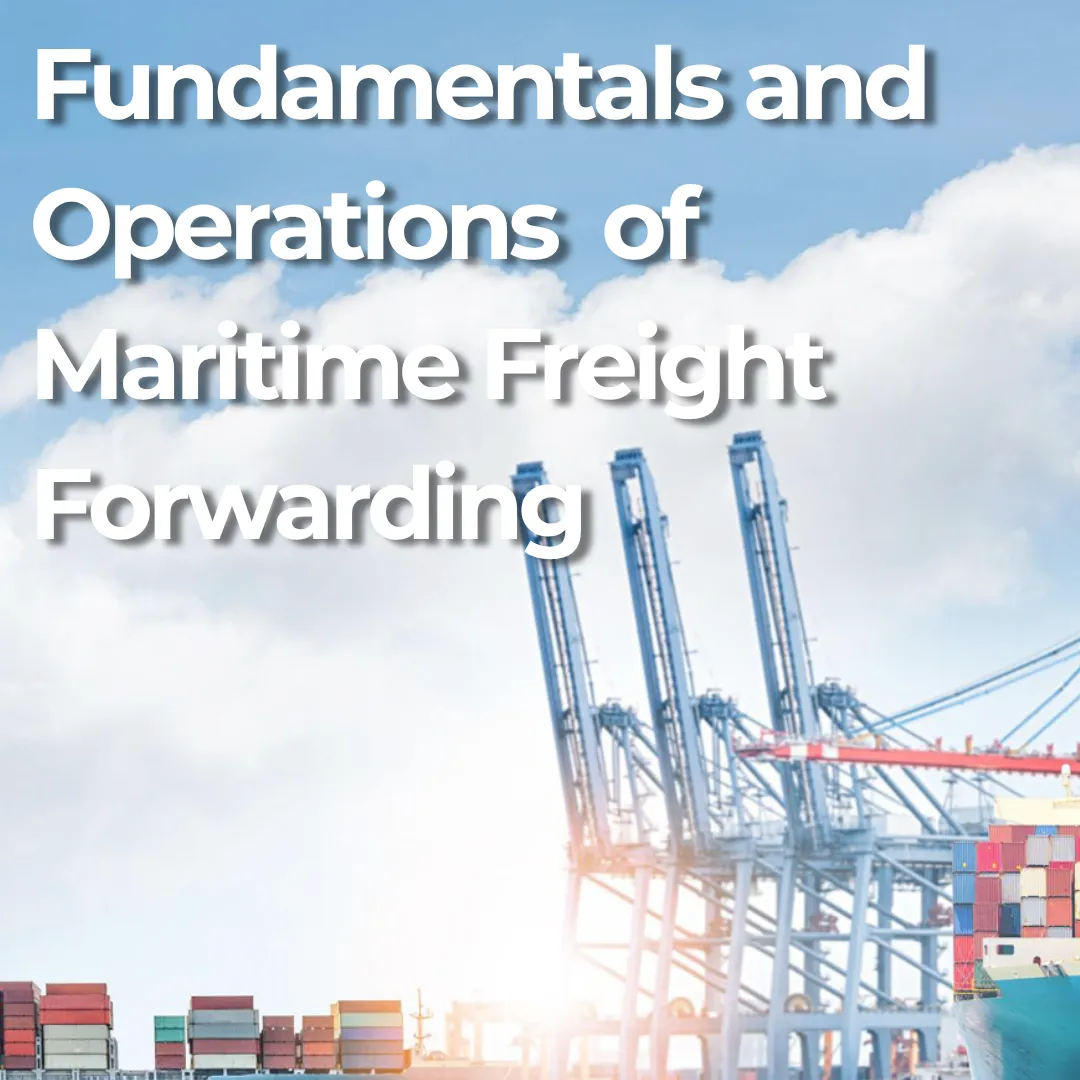
SCL1: Fundamentals and Operations of Maritime Freight Forwarding *FTEB Accredited
About This Course
Course Description:
In recent years, increasing trade volumes, stricter border controls, and heightened accountability requirements have reshaped the expectations placed on freight forwarders. This training is designed to help participants understand how day-today freight forwarding decisions—ranging from booking and documentation to coordination and clearance—are directly linked to regulatory compliance and risk management. The program supports freight forwarders in aligning practice with policy, reducing errors, avoiding penalties, and contributing to more efficient port and customs processes in line with the objectives of the Customs Modernization and
Tariff Act (CMTA) and national trade facilitation efforts. Through practical scenarios, documentation exercises, and compliance-focused discussions, this module emphasizes the freight forwarder’s role as a responsible trade partner—one that balances operational efficiency with ethical conduct and regulatory accountability within the Philippine maritime logistics environment.
COURSE OUTLINE:
DAY 1 (8:00 – 5:00 PM)
• From Words to Workflow: Introduction to Maritime Freight Forwarding Terms
• Understanding the Business and Stakeholders of Freight Forwarding
• Documentation and Information Flow
o Practical application of INCOTERMS in freight forwarding operations and compliance responsibility allocation
o Risk points in execution
o Cargo acceptance and shipment planning
o Booking coordination
o Containerization
o Operational timeline
o Documentation flow
o Common documentation errors
o Information exchange between stakeholders
• Managing Risk and Ethical Responsibilities in Freight Forwarding
Related trainings
Enhance your design skills with our upcoming structured MSME programs.
DECEMBERVirtual
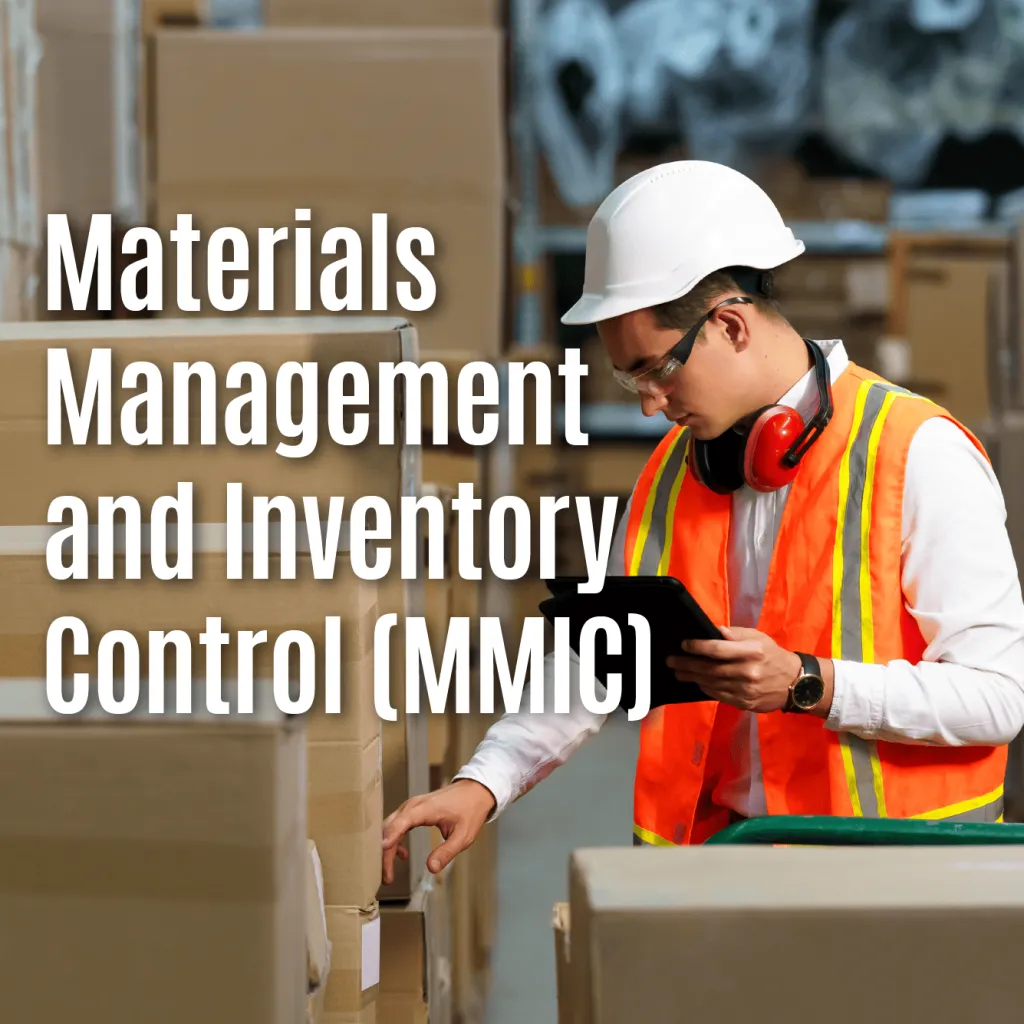
Materials Management and Inventory Control (MMIC)
The participants attending the Materials Management and Inventory Control will understand how to manage inventories by applying strategies for managing capacity, demand, distribution, purchasing and quality in services resulting in lowered costs on maintaining inventory, reduction in losses and improvement on service quality measurement.
DECEMBERVirtual
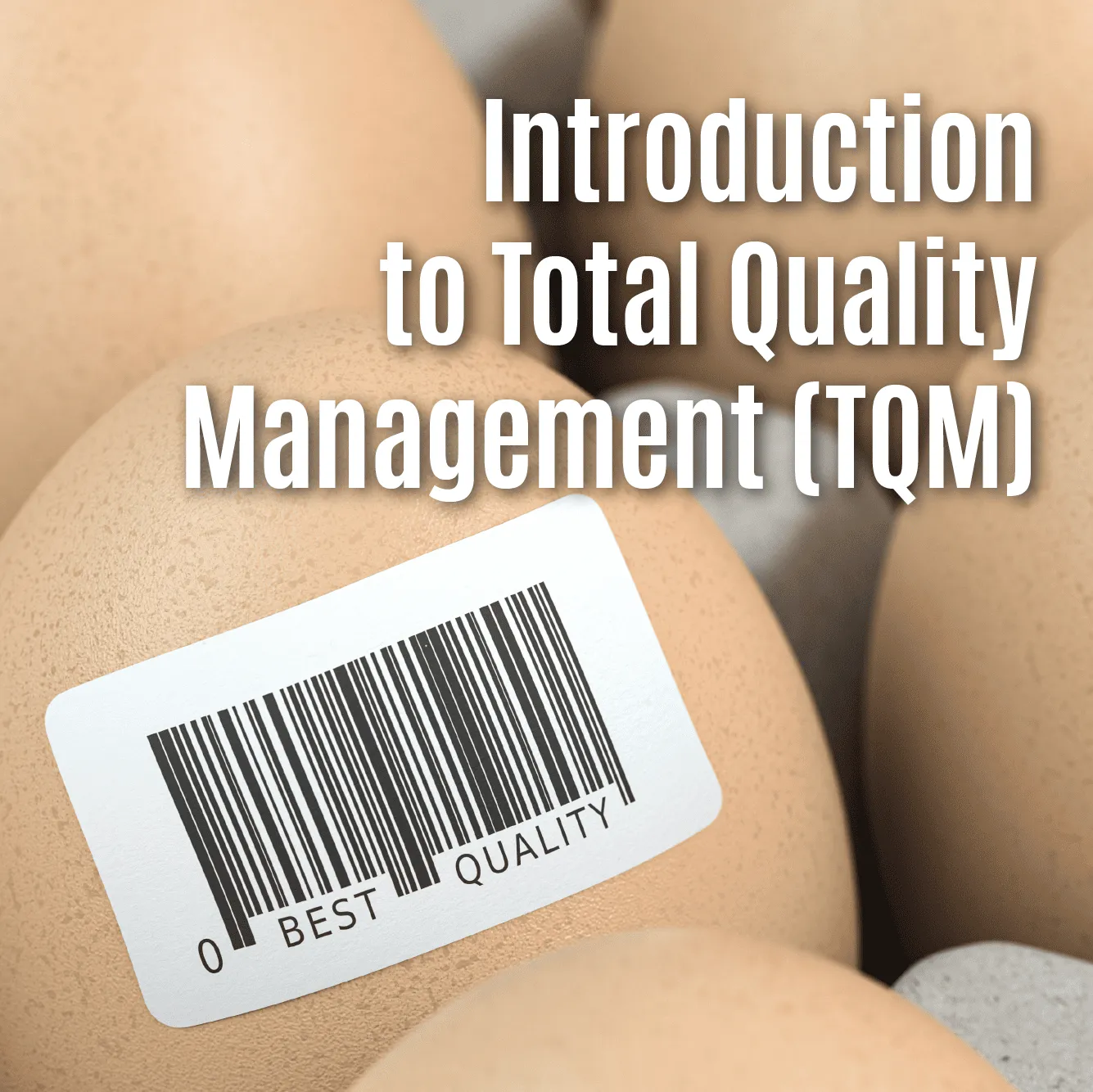
Total Productive Maintenance (TPM)
TQM is a system designed to focus on customer expectations, the prevention of problems, building commitment to continuous improvement, and the promotion of participative management.
NOVEMBERFace-to-Face
Effective Project Management
This training applies the basic principles of project management to develop the skills needed to a successful project implementation.